The monsoons have not arrived yet, but the heat has — the flat, bright, unambiguous heat of a high-desert summer, which is different from any other kind because the altitude keeps it from being oppressive. I am outside by six. The air is still cool at that hour. The light is doing the long-shadow, vivid-color performance it reserves for this stretch of the year.
Morning pages this month have been more honest than usual. Something about the summer makes me less careful about the first thoughts of the day. I write three pages before I am fully awake, and sometimes those three pages contain the most direct thing I will say all week. I do not edit them. I do not always keep them. But they clear something that needs clearing before the real work can begin.
Morning pages in July have a different grain than morning pages in January. Winter pages feel excavated. Summer pages feel revealed. By six in the morning Santa Fe is already brightening into itself, and the first thoughts come with less hesitation because the day is still too young for self-management. That is one of the reasons I protect the practice so fiercely. It is not about producing usable material every single morning. It is about making a clean channel for whatever the mind has been carrying overnight before the social part of the day starts directing traffic.
I also think the body knows the truth a little faster when it is writing half-awake. The guard is lower. The sentences are less rehearsed. That makes the pages awkward sometimes, repetitive, occasionally melodramatic, and often startlingly direct. I have come to value all of that. A page does not need to be polished to be diagnostic. It only needs to be honest enough to reveal what I am avoiding, what I am excited by, or what is already knocking at the door of the day's real work.
That is why the July pages matter even when they never become essays or poems. They clear the room. They give the later work a quieter surface to land on. And in a month where the heat comes early and the storms have not yet begun their afternoon corrections, that kind of early clarity feels especially necessary. Three pages is a small ritual, but small rituals are often what keep a writing life humane.
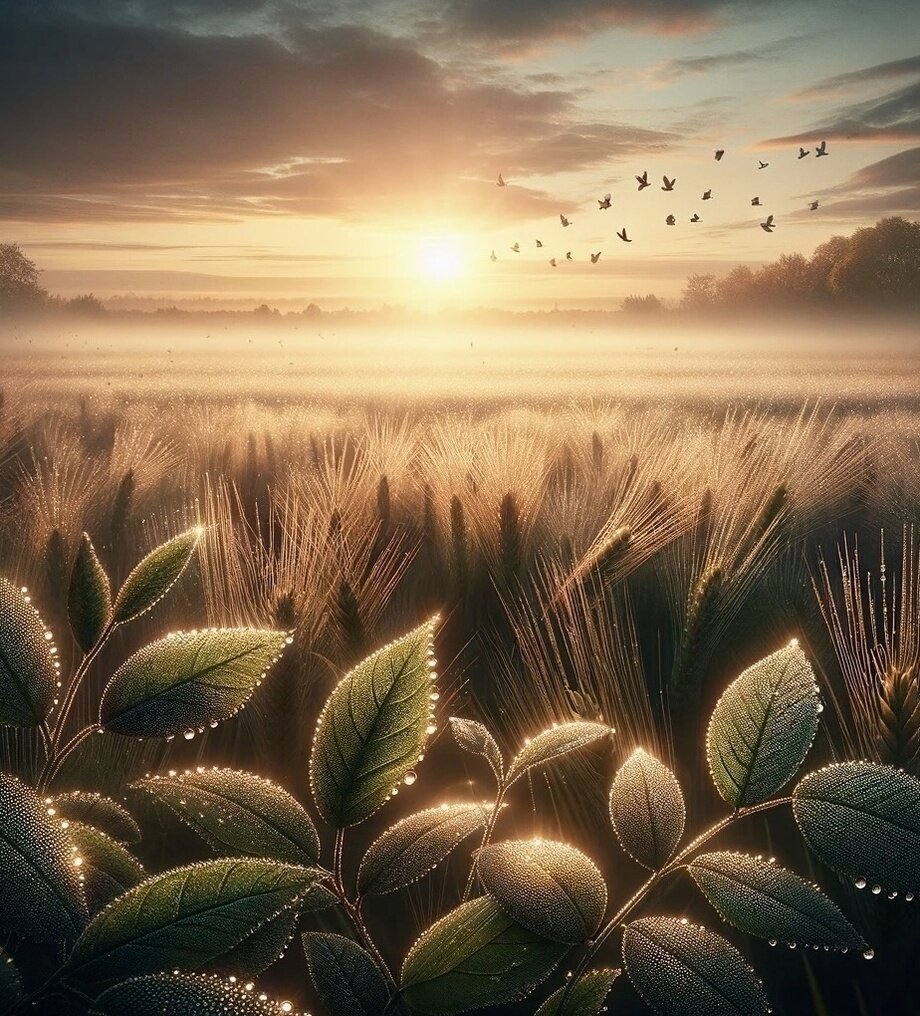
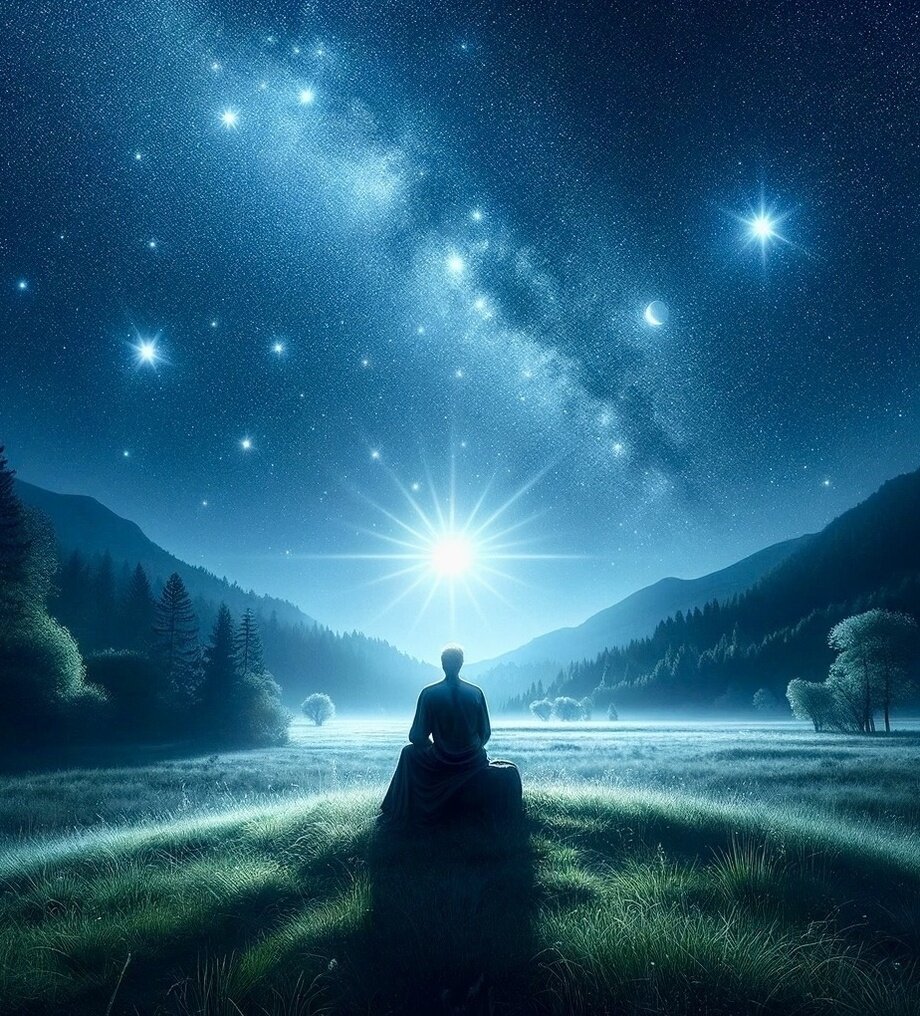
Believe in the Dawn, Something Better
In the hush before morning's first gleam, Where dreams linger like mist over fields, There's a whisper, a hope, in the dark, A promise that daylight will yield.
Coming soon — included in What Remains of UsI trust the pages more because they are not trying to impress anyone. They are pre-performance language, the mind before costume. In a season as vivid as a Santa Fe July, that kind of private honesty is invaluable. It keeps me from confusing public fluency with actual contact, and contact is what the work needs most.
Believe in the Dawn, Something Better belongs here because morning pages are a dawn practice before they are a writing one. July asked me to meet the day early, trust what surfaced in that first hour, and let hope arrive through routine rather than drama.
What I love most about the practice is how quickly it exposes the false note. If I come to the page trying to sound wiser, steadier, or more coherent than I actually feel, the morning pages refuse me almost immediately. They go flat. But if I arrive honestly, even half-awake and inelegant, something usable usually appears. July keeps reminding me that truth comes earlier than polish. That is reason enough to keep showing up before breakfast.
I also know now that the practice belongs to Santa Fe specifically in a way it would not elsewhere. The high-desert mornings, the long shadows, the sense that the day is still clean enough to begin again properly: all of that enters the pages before I decide anything about content. The location is not decorative. It is part of why the pages tell the truth as quickly as they do.
Three pages, every morning. Not all of them good. All of them necessary. July is when I remember why the practice exists.
Yours, in ink and embers,